Call us now :08045811604
 Send Inquiry
 Send Inquiry
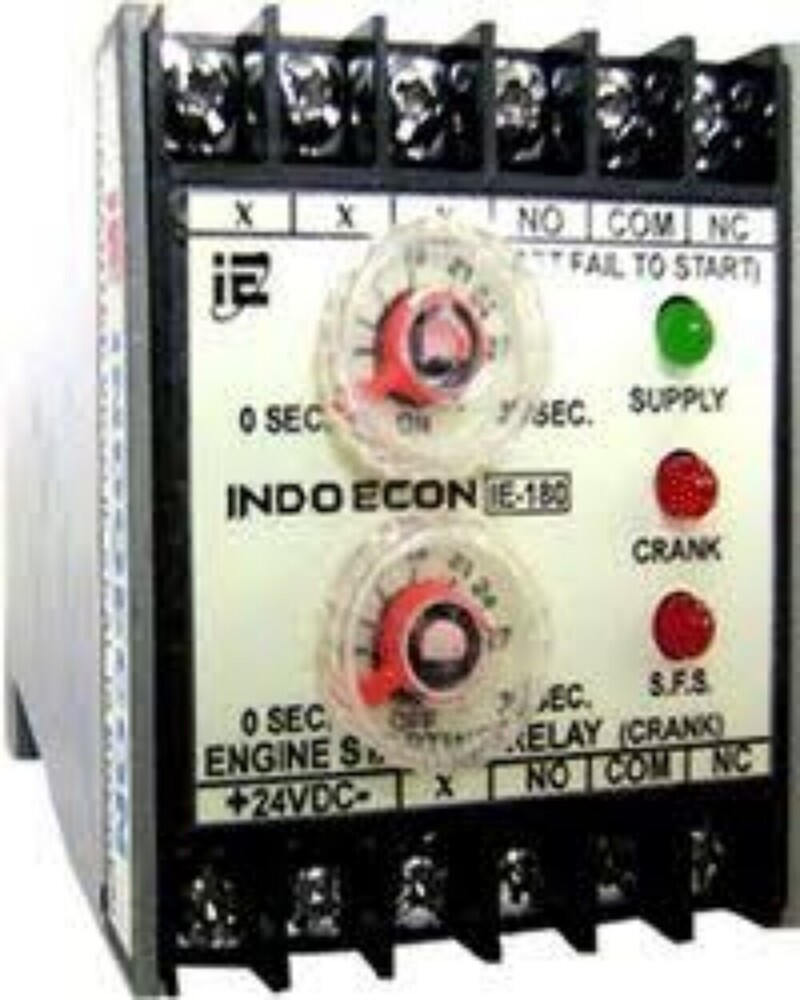
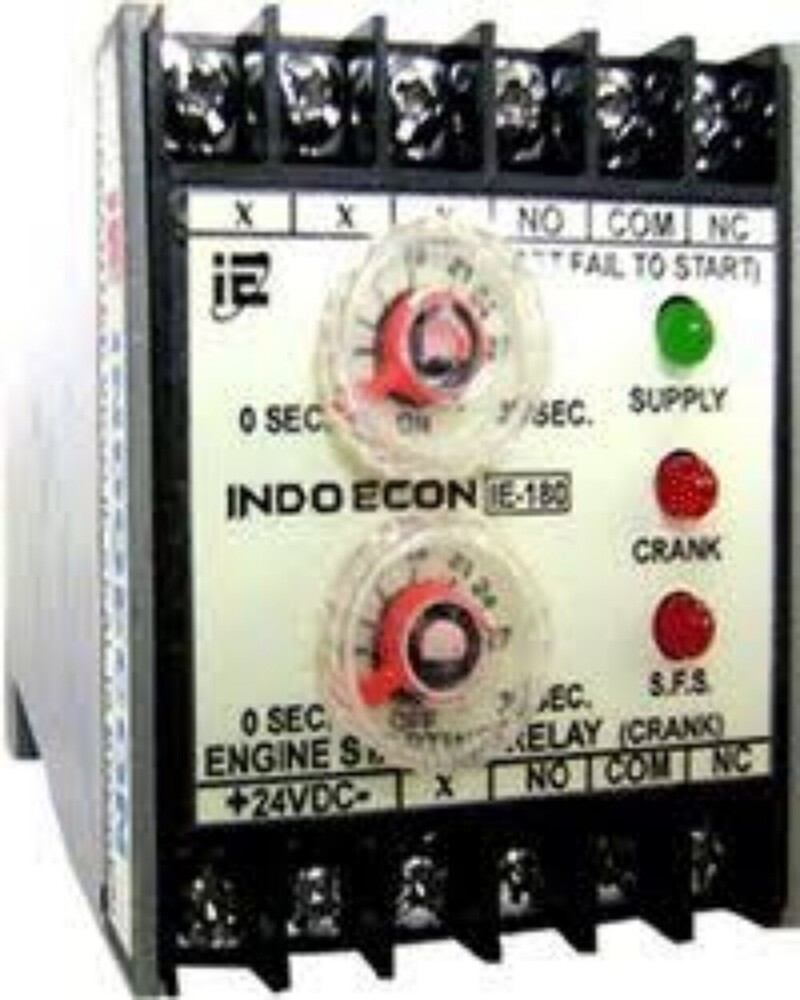
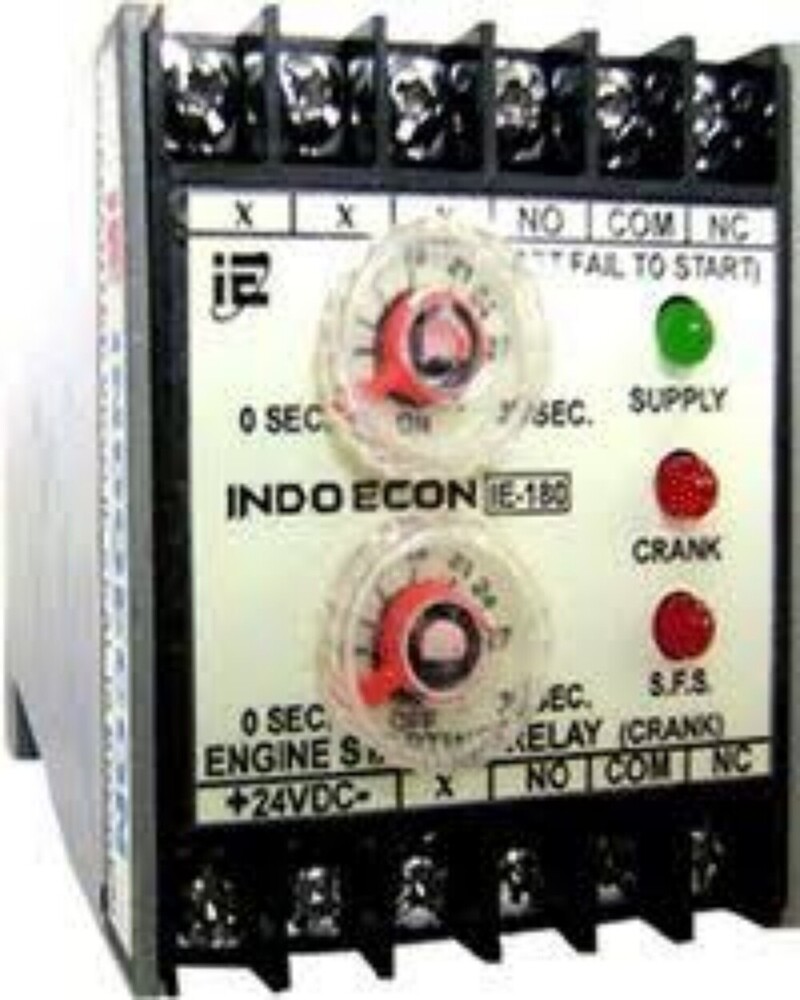
Engine Starting Relay
MOQ : 1 Unit
Engine Starting Relay Specification
- Contact Resistance
- Less than 100 m
- Coil Voltage
- 12V DC
- Power Consumption
- Approx 1.6 W
- Contact Form
- SPST (Single Pole Single Throw)
- Mechanical Life
- 1,000,000 cycles
- Coil Power
- 1.6 W
- Dielectiric Strength
- 500V AC 1 minute
- Protect Feature
- Sealed, Dustproof
- Contact Material
- Silver Alloy
- Product Type
- Engine Starting Relay
- Insulation Resistance
- 100 M min (DC 500V)
- Theory
- Electromagnetic Relay
- Usage
- Engine Starting, Automotive Applications
- Contact Load
- 40A @ 14VDC
- Operate Time
- Less than 10 ms
- Terminal Type
- 3 Pin Blade
- Rated Voltage
- 12V DC
- Color
- Black
- Dimension (L*W*H)
- 32 x 26 x 28 mm
- Weight
- Approx 80 g
Engine Starting Relay Trade Information
- Minimum Order Quantity
- 1 Unit
- Supply Ability
- 1000 Units Per Week
- Delivery Time
- 3 Days
About Engine Starting Relay
We are a profound manufacturer of Engine Starting Relay for our widely scattered clients. It is used for automatic starting of diesel/petrol engines or gensets and fire engines. It is a three attempt cranking relay for engine starting with auto cut after 3 attempts. On tie and off time durations are settable from 0-30 secs. Two changeover contact are given for cranking the engine and for lockout in case the engine fails to start in three attempts. Engine Starting Relay locks out after 3 attempts.
DC 12 V / 24 V TE 150
Size : 70 x 60 x 110 mm
Robust Performance for Automotive Engines
Designed specifically for engine starting applications, this relay offers high insulation resistance and a strong dielectric strength, contributing to stable operation in varied automotive environments. The sealed construction prevents dust ingress, making it ideal for both commercial and personal vehicles.
Efficient and Reliable Operation
The relay operates with a swift response time of less than 10 ms, ensuring immediate activation when starting the engine. Its SPST contact form and silver alloy contacts guarantee minimal contact resistance and dependable electrical connections over prolonged use.
FAQs of Engine Starting Relay:
Q: How does the engine starting relay improve vehicle startup reliability?
A: The relay enables rapid and stable electrical connection to the starter motor, ensuring the engine receives the necessary power instantly, thereby enhancing consistent startups in automotive systems.Q: What are the main benefits of using a sealed and dustproof engine starting relay?
A: A sealed, dustproof design increases the relays durability and protects the internal components from environmental contaminants, resulting in longer service life and fewer failures in harsh automotive conditions.Q: Where can the engine starting relay be installed in automotive vehicles?
A: This compact relay is designed for quick installation in engine compartments, where space is limited. Its 3-pin blade terminal simplifies wiring in a variety of automotive layouts.Q: When should an engine starting relay be replaced?
A: Replacement is recommended when the relay shows signs of wear, such as delayed operation, intermittent starting problems, or visible damage. Its high mechanical life supports many cycles, but maintaining performance necessitates timely replacement.Q: What process ensures safe power transfer through the relay?
A: The electromagnetic activation mechanism guarantees safe power transfer by securely closing the silver alloy contacts, handling up to 40A at 14V DC without excessive heating or energy loss.Q: How is the insulation resistance of this relay advantageous?
A: With a minimum insulation resistance of 100 M at DC 500V, the relay prevents leakage currents, thereby safeguarding sensitive automotive electronics from premature failure or electrical hazards.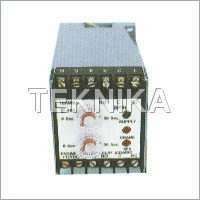
Tell us about your requirement

Price:
Quantity
Select Unit
- 50
- 100
- 200
- 250
- 500
- 1000+
Additional detail
Mobile number
Email

More Products in DG Set Relays Category
Reverse Power Relay(TE 800)
Price Range 1500.00 - 2500.00 INR
Minimum Order Quantity : 1 Unit
Dimension (L*W*H) : 110mm x 80mm x 120mm
Weight : Approx. 450g
Frequency Relay (TE 700)
Price Range 1500.00 - 2500.00 INR
Minimum Order Quantity : 1 Unit
Dimension (L*W*H) : 85 x 35 x 65 mm
Weight : Approx. 200g
Usage : Frequency monitoring and protection in electrical systems
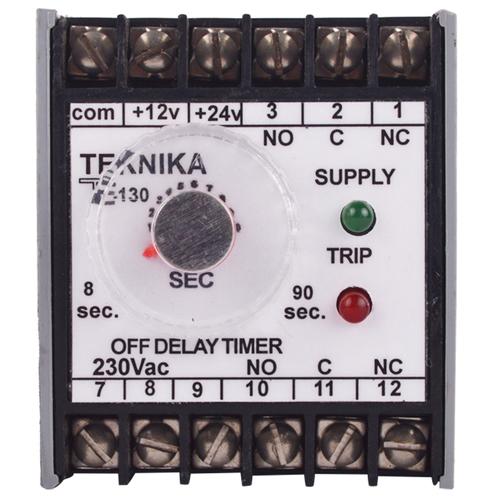
Timers AC DC
Price 850 INR
Minimum Order Quantity : 1000 Units
Dimension (L*W*H) : 70*60*110 Millimeter (mm)
Weight : 0.5 Kilograms (kg)
Usage : Delay Timer
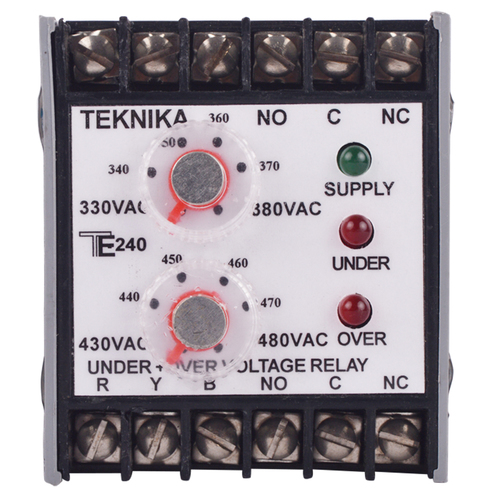
Under Plus Over Voltage Relay
Price 2150 INR
Minimum Order Quantity : 1000 Pieces
Dimension (L*W*H) : 70*60*110 Millimeter (mm)
Weight : 0.5 Kilograms (kg)
Usage : Voltage Monitoring/ Protection

 Send Inquiry
Our Products


No.A-39, Flatted Factories Complex, Near Okhla Sabji Mandi, Okhla Industrial Area, Phase-III, New Delhi - 110020, India

Mr Pawan Agarwal
(Proprietor)
Mobile :08045811604
 Send Inquiry
 Send SMS
Developed and Managed by Infocom Network Private Limited.


